June Newsletter 6/8/2026
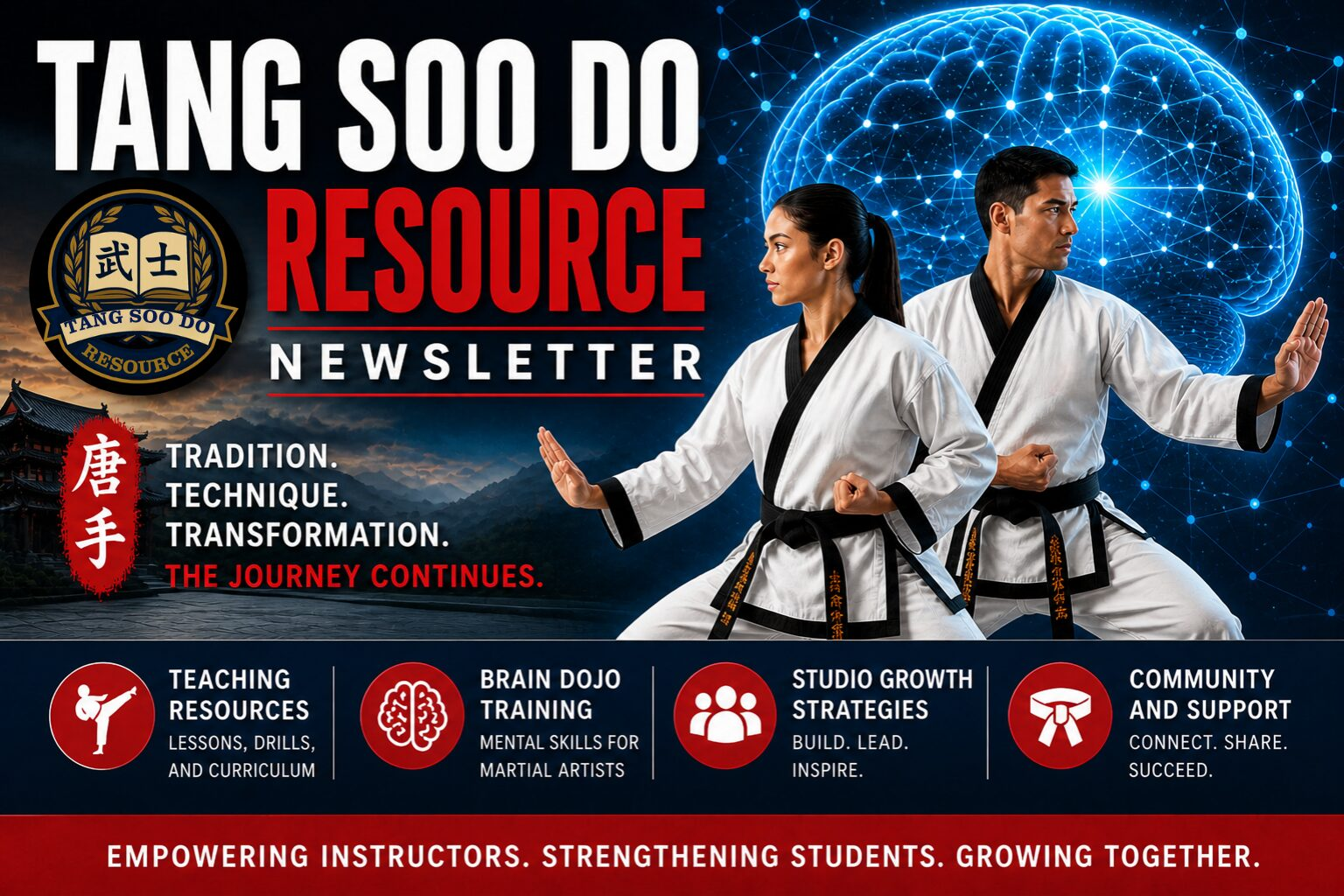
by MASTERSEGARRA
Lots of exciting stuff coming to the Tang Soo Do Resource.
A New Arcade style game that trains your Brain Called Tang Soo Warrior.
The Brain Dojo is now LIVE!
The Tang Soo Quiz Show is now LIVE!
New Article How do you address your students?
New Tao of Tang Soo Do Article
And coming soon a Quarterly Tang Soo Do Resource Magazine. The only Magazine dedicated completely to Tang Soo Do!
Tang Soo Warrior
Tang Soo Warrior is an old retro style arcade game that actually tests you reflexes in a fun gamified way. It has the old street fighter style look to it but is a non violent game.

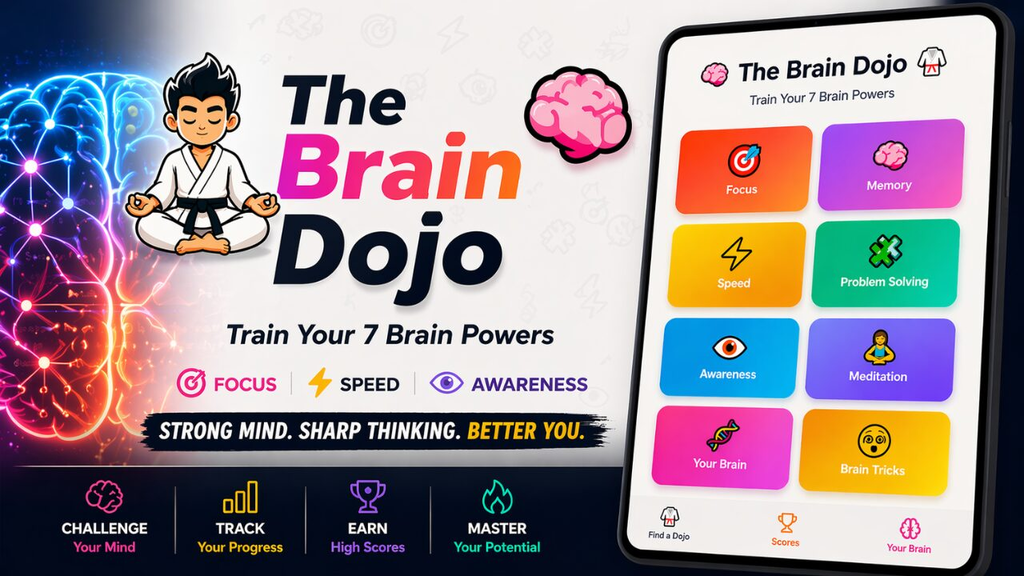
The Brain Dojo
The Brain Dojo/Dojang is a mind training app that trains multiple areas of your brain: Memory, reflexes, emotional regulations, peripheral awareness and much more. It tracks your scores, and records your sessions to the millisecond. Completely free to try with an upgrade option for more levels.
Tang Soo Quiz Show
A fun filled five minute quiz show you can play on any T.V in your class. Make learning fun. We play it once a month at the end of class. New Quizzes every month.

Tang Soo Do Resource Magazine
This summer we are launching our TSDR online magazine. The only magazine dedicated to Tang Soo Do. If you are interested in contributing articles contact [email protected] and let him know.
Oh and some cool health translations from Soo Bahk Do Volume 1 coming this month.
And more.
Stay Tuned, tell your friends.
Let’s make 2026 the Year of Tang Soo Do (6 Months Left for 2026)

