“Learn With an Open Mind” -Hwang Kee
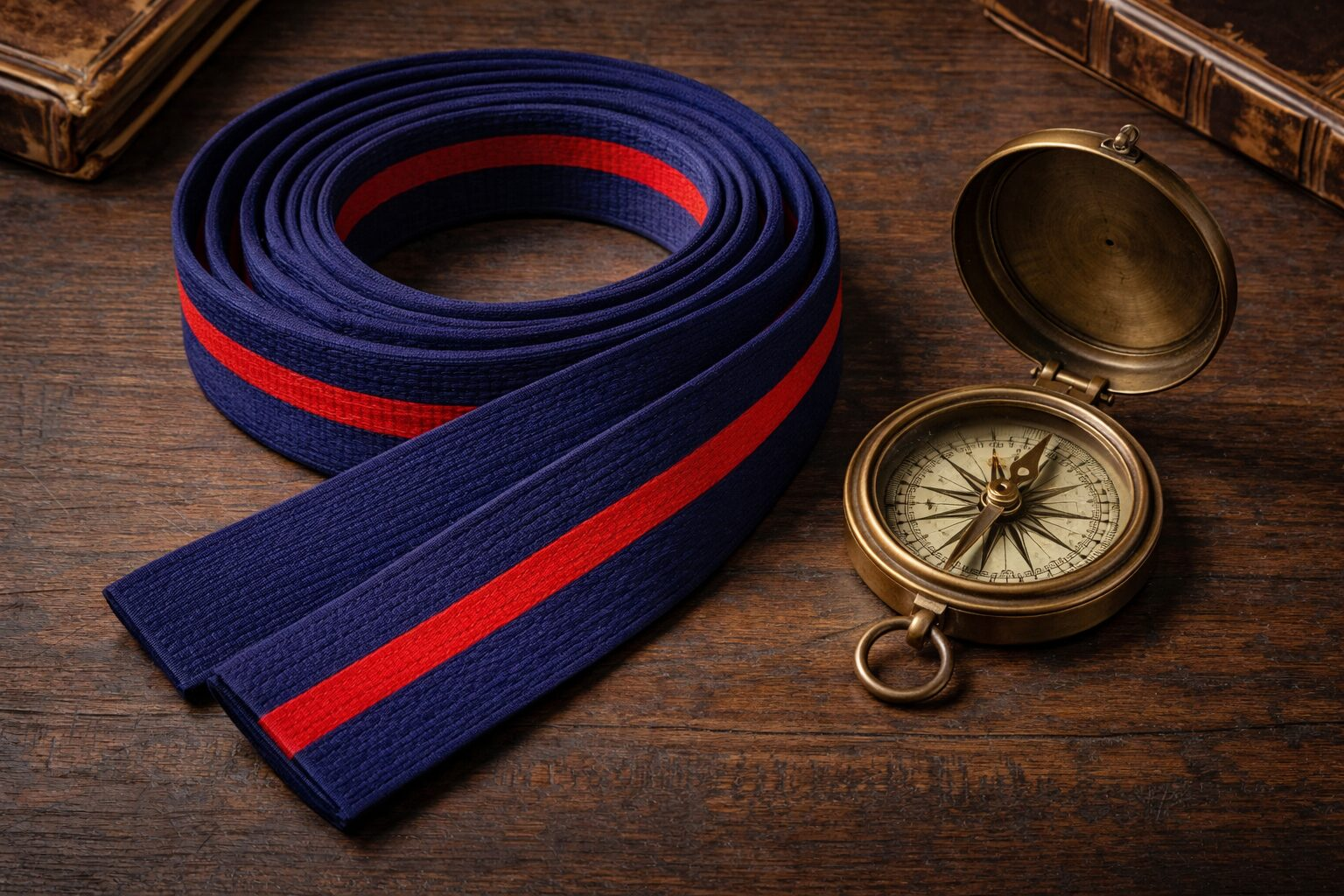
by MASTERSEGARRA
Tradition as a Compass, Not an Anchor
“Learn new techniques and methods with an open mind.
Always be willing to learn and explore new methods.
Avoid clinging too rigidly to old ways.
As society evolves, martial arts too must grow.
However, never discard foundational principles.
New methods should be examined, tested, and then integrated wisely with traditional teachings.”
— Hwang Kee, Tang Soo Do Kyo Bon
Few passages capture the true spirit of Tang Soo Do as clearly as this one.
Hwang Kee did not teach stagnation. He taught discernment. He warned against rigidity—not against tradition. There is an important difference.
Open Mind Does Not Mean Empty Roots
An open mind does not mean abandoning what works. It means being willing to observe, test, and refine.
Martial arts that freeze in time eventually become museums. Martial arts that abandon their foundations become trends. Tang Soo Do was never meant to be either.
Hwang Kee studied widely—Chinese texts, Okinawan karate, Japanese methods, Korean traditions, philosophy, calligraphy, health practices, and modern training science. Yet he never lost the core principles of balance, discipline, humility, and moral development.
The lesson is clear:
Growth without roots leads to collapse.
Roots without growth lead to decay.
Why Rigid Thinking Weakens an Art
Rigid thinking often comes from fear—fear of losing identity, authority, or control. But strength is not found in refusing change. Strength is found in understanding why something works.
When instructors say:
- “That’s not how it was done in the old days,”
- “We don’t do that here,”
- “That doesn’t look traditional,”
without examination, they risk turning tradition into dogma.
Hwang Kee’s instruction was not “accept everything new.” It was examine everything carefully.
Test Before You Teach
New methods should never be adopted blindly—but they should never be dismissed automatically either.
Ask:
- Does this improve safety?
- Does it increase understanding?
- Does it support physical and mental health?
- Does it align with core principles?
- Does it fit harmoniously with our technical toolset.
If the answer is yes, it deserves consideration.
If the answer is no, it should be set aside—without ego.
This is how a living art stays alive.
Tradition Is a Compass
Tradition should guide direction, not lock movement.
A compass does not tell you where to stand.
It tells you where true north is.
Tang Soo Do’s principles—respect, self-control, perseverance, balance—are timeless. How we teach them may change. How we express them may evolve. But the values remain steady.
This mindset allows instructors to:
- Integrate modern training science
- Improve injury prevention
- Address current social and emotional needs
- Speak to today’s students in today’s language
…without losing the soul of the art.
The Responsibility of the Instructor
As instructors, we are caretakers—not gatekeepers.
Our role is not to preserve techniques in amber, but to pass on understanding. That means being lifelong students ourselves.
Hwang Kee modeled this until the end of his life.
So the real question is not:
“Is this traditional or modern?”
The real question is:
“Does this serve the purpose of the art?”
When tradition and innovation meet with wisdom, Tang Soo Do continues—not as a relic of the past, but as a living path for future generations.
👉 Continue your study of Tang Soo Do philosophy, history, and instructor development at
http://tangsoodoresource.com/


